


Services offered1
About FishScale
FishScale is a local restaurant in Washington, DC. View address, contact info, hours and services below.
Services & pricing
Restaurant
Booked and scheduled through Hustl.it — quote, confirmation, and payment all in one.
$65 from
Service area
Within 15 miles of 20001
Based in Washington, DC. Travel fees may apply beyond the green zone.
20001200182003219942
Hours
Mon7a – 7p
Tue7a – 7p
Wed · Today7a – 7p
Thu7a – 7p
Fri7a – 7p
Sat7a – 7p
SunClosed
Credentials
Background checkedInsured — $1M liabilityPayments via Whop
FAQ
What We Do?
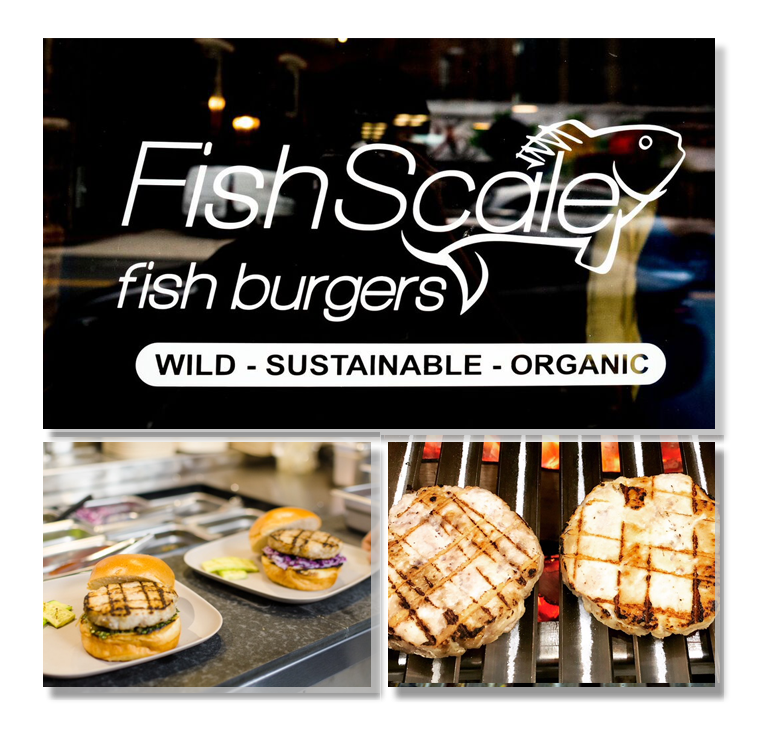
FishScale prepares delicious burgers sourced from sustainable wild fish in accordance with the Monterey Bay Aquarium Seafood Watch Program. We take arduous strides to know the origin of the fish we serve and how it was caught. We eschew farmed raised fish and conventionally grown foods. We purchase our fish fresh every day, fillet and make our burgers in house daily. There are no bread crumbs or any other fillers in our burgers, just a quarter pound of fresh fish that is grilled over natural hardwood at the time you order. We are not apologetic about the wait because most of the time, good food takes time. Our house made condiments are made from organic produce and ingredients. Our belief is if you have to eat, let the food taste good and be good for the your health and our environment. We take great pride in knowing what we serve you. Honestly, it’s just how I eat.
Who We Are?
Revelation
Why Wild?
The American Heart Association recommends at least 2-3 servings of fish per week. It is widely known that fish are a good source of Omega-3 fatty acids DHA and EPA which may help protect the body against heart disease, high blood pressure, inflammation, brain health, diabetes, digestive disorders and even autoimmune disease. At FishScale, we believe that sustainably caught wild fish is better for your health and the environment. Conversely, farmed raised fish is a conduit to produce larger amounts of fish much more quickly and cheaper than with wild fish. The density of fish creates problems like disease and pollution. The biggest source of pollution comes from the copious amount of fish waste and unconsumed food beneath the sea pens which can be a detriment to the quality of surrounding water. Factory farming of the sea, which creates the overcrowding of fish in these pens requires certain chemicals to keep them from getting sick and maintain a clean environment. The chemicals used in marine aquaculture operations such as medicines like antibiotics and vaccines, disinfectants, and substances used to prevent corrosion of equipment (cages, etc.) can also change the composition of the surrounding aquatic ecosystem. Since farmed fish are raised on unnatural diets and in small enclosures they often foster disease, which can pass to wild populations. Some of the antibiotics that have become prevalent in fish farming can promote drug resistant bacteria and spread to wild populations. Did you also know that farmed salmon has to be fed a coloring pellet to turn its flesh pink? Alternatively, wild sockeye salmon’s rich hue is due to its natural diet of mostly plankton? This is also why wild salmon is superior in nutrients and Omega-3 fatty acids vs. farmed.